
The Oklahoma Storm Shelter Lock Guide
A shelter you cannot open is not a shelter. This covers the hardware, the seasonal checks, and the mistakes that turn a working shelter into a locked box on the one day it matters.
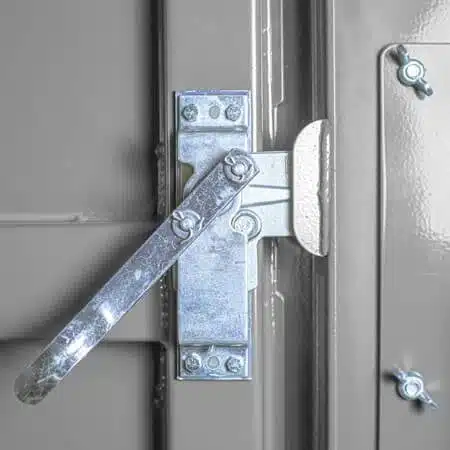
The problem nobody plans for
Eleven Months Untouched, Then Ten Minutes Notice
Nothing else on a property has that use pattern. Every other lock tells you it is failing weeks in advance because you use it daily.
A front door that starts sticking gets fixed. A shelter latch that starts sticking gets discovered during a warning.
The failures are slow, silent and entirely predictable. Underground shelters sit in damp and take rust. Garage floor units collect grit in the lid track. Above ground safe rooms bake through summer, and the ones fitted years ago have often been painted over at least once.
None of that is dramatic. It is exactly why it goes unnoticed. The hardware does not fail suddenly, it stiffens gradually over several seasons that nobody was paying attention to.
The fix is a calendar entry rather than a product. Open it twice a year, keep the approach clear, and know where the key is. Everything else on this page is detail hanging off those three things.
Know your type
Three Designs, Three Failure Modes
In Ground, Outside
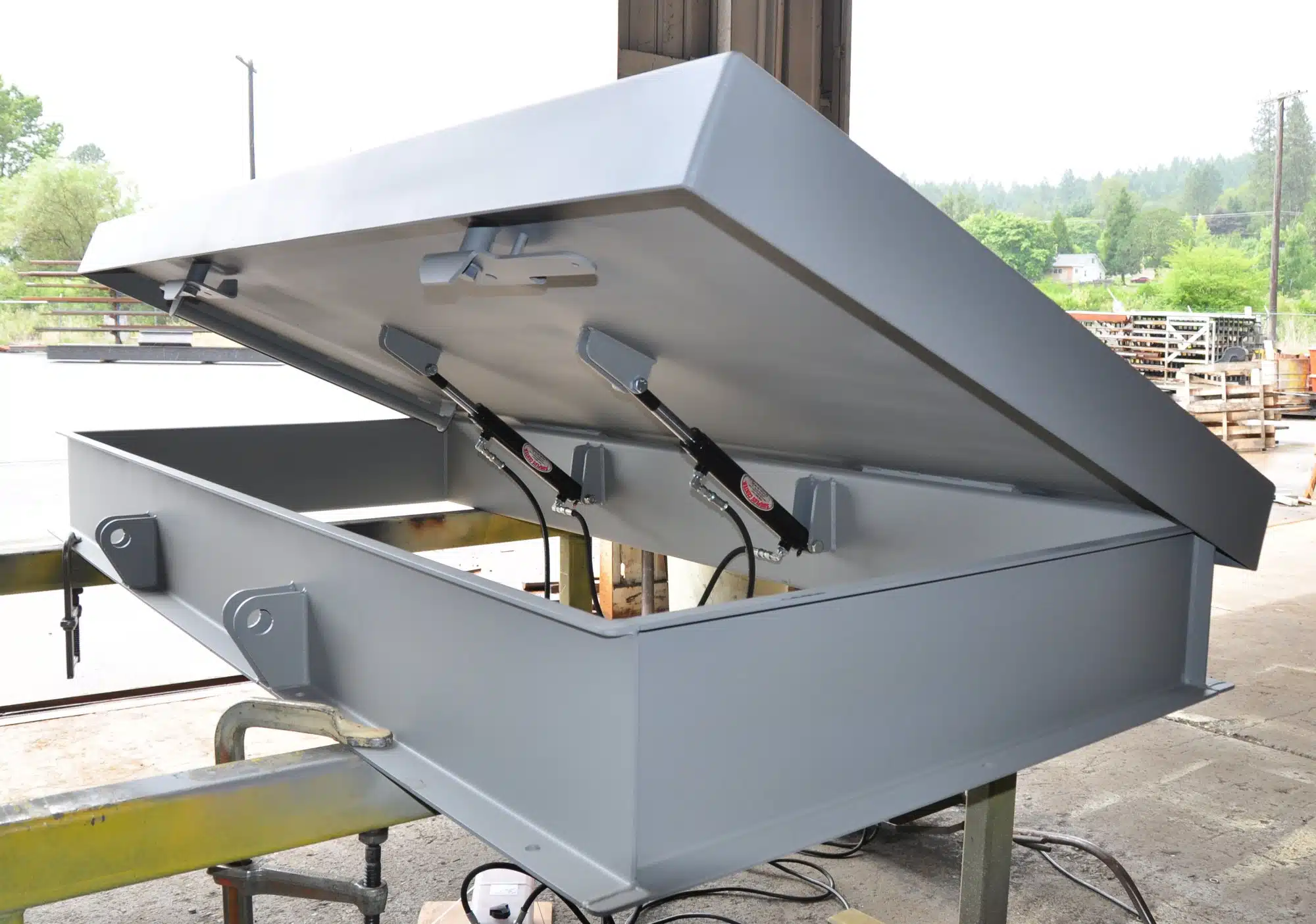
A hatch at grade over a below ground chamber. Rust is the primary enemy, along with a lid that settles out of alignment with its frame over years. These are also the ones where debris around the opening becomes a factor, which is a reason to keep the surrounding area clear rather than landscaped tightly around it.
Garage Floor Units
Set into the slab with a sliding lid. Grit in the track is the usual complaint and it builds up invisibly. The other recurring problem is a vehicle parked over the lid, or storage stacked on it, which costs you the seconds you will not have.
Above Ground Safe Rooms
Steel rooms anchored inside a garage or a closet, with a heavy latch and a swing door. Heat and paint are what seize these. They are also the most likely to have something stored in front of the door by the middle of summer.
The maintenance calendar
What To Do and When
None of this takes long. All of it has to happen before the season rather than during it.
February: Open It
Late winter is the right time, ahead of spring, with room to order a replacement latch if something has seized.
February: Test From Inside
Operate the release from inside, repeatedly. This is the part that matters most and the part almost nobody checks.
February: Lubricate
Latch, hinges and any lift assist. A mechanism that gets moved and lubricated twice a year rarely seizes at all.
Spring: Clear the Approach
Nothing stored on a garage lid, nothing stacked against a safe room door, nothing planted tight around an outdoor hatch.
Any Time: Confirm the Key
If it is padlocked, every adult in the house should know where the key lives, indoors, on nothing that leaves the property.
Any Time: Register It
Many Oklahoma cities keep a voluntary shelter registry so responders know where shelters are after a storm. Check with your own city.
Autumn: Open It Again
A second opening in the year keeps the mechanism free through winter and catches anything that developed over summer.
If It Sticks: Fix It Now
A latch that is stiff in March is a latch that is seized in May. See shelter latch service.
Mistakes worth avoiding
Five Things That Cause Real Problems
The padlock nobody can open
Locking an outdoor shelter against tampering is reasonable. Keeping the only key on a keyring that leaves the property is how the padlock becomes the reason you cannot get in.
Storage on the lid
Garage floor units end up under boxes, bikes and eventually a car. Every one of those is time spent moving things while a warning is running.
Painting over the hardware
Repainting a garage and running the roller over a safe room latch is common and it seizes the mechanism. If it has been painted, it needs freeing before it is needed.
Never testing from inside
People check that the shelter opens. Far fewer check that it opens from the inside with the door closed, which is the only test that reflects how it will actually be used.
Leaving it until May
The first warning of the year is when everyone remembers at once. Parts have lead times and so do locksmiths. February costs the same and is available.
Assuming a locksmith certifies it
We service locking hardware. Structural rating and certification of a shelter is the manufacturer's and an inspector's responsibility. For questions about the shelter itself, go to the manufacturer's documentation or your city.
Not opened it since last spring?
February and March are the right months. Book it alongside other work at the property.
Common questions
Storm Shelter Locks
How often should a storm shelter be opened and checked?
Twice a year, ideally late winter and autumn. A mechanism that gets moved and lubricated occasionally rarely seizes, while one untouched for several seasons usually has. Late winter is the more important of the two because it leaves time to order replacement hardware before spring.
Should a storm shelter be padlocked?
Many outdoor shelters are, and protecting against tampering is a reasonable concern. The risk is that the padlock becomes the obstacle. If you lock it, keep the key indoors somewhere every adult in the household knows, on nothing that leaves the property, and check that the key still turns the lock when you do the seasonal opening.
What is the most common shelter lock failure?
Corrosion on in ground units, grit in the track on garage floor units, and seized or painted over latches on above ground safe rooms. All three develop gradually across seasons rather than failing suddenly, which is exactly why they go unnoticed until the shelter is needed.
Should I register my shelter with the city?
Many Oklahoma municipalities operate a voluntary shelter registry so that responders know where shelters are located after a storm, particularly where debris may block an exit. It is usually free and takes a few minutes. Requirements vary by city, so check with your own.
Can a locksmith certify that my shelter is safe?
No, and anyone in this trade claiming otherwise is outside their competence. A locksmith services the locking hardware so the door opens and closes reliably. Structural rating and certification belongs to the manufacturer and to inspectors, and the shelter's own documentation is where to look for what standard it was built to.
My latch is seized. Is it repairable?
Often yes. Surface corrosion generally cleans up and frees with the right treatment. Where the mechanism has genuinely failed, replacement hardware appropriate to a damp or exposed environment goes on instead, which matters because generic hardware in an underground shelter is back in the same condition within a couple of years.